Ancylostomiasis is infection with the hookworm Ancylostoma duodenale or Necator americanus. (See also Approach to Parasitic Infections.) The estimated worldwide prevalence of hookworm infection is 576 to 740 million, mostly in developing areas. Both A. duodenale and N. americanus occur in Africa, Asia, and the Americas.. Hookworm disease from Necator americanus and Ancylostoma duodenale affects approximately 700 million people, with N. americanus being the predominant species. Unlike other pathogens (e.g., bacterial infections), where “virulence” is described in regards to acute pathogenesis and case-fatality, hookworms are well-evolved, multicellular.
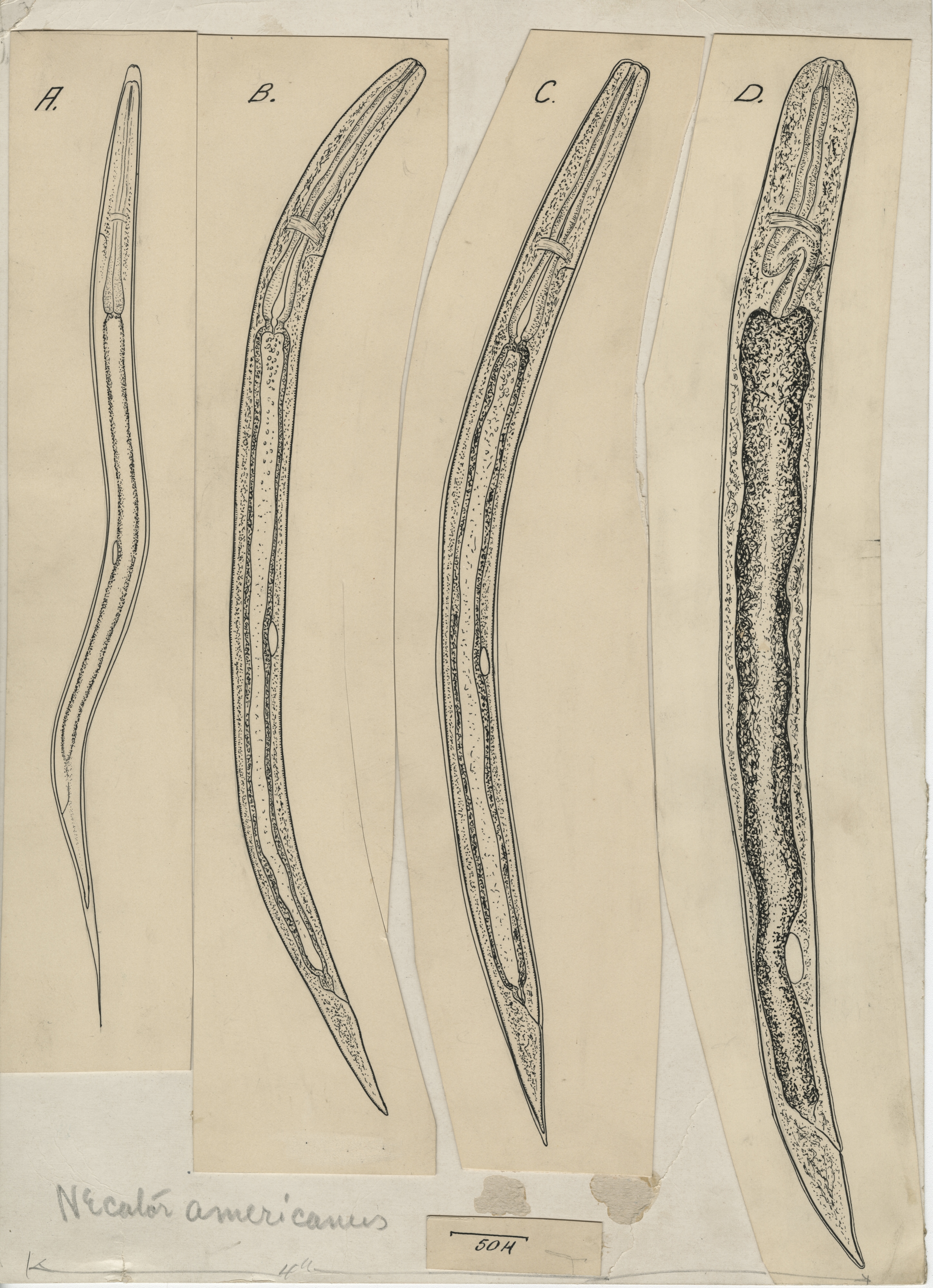
Necator americanus

3dciencia Necator americanus Ancylostoma duodenale hookworm
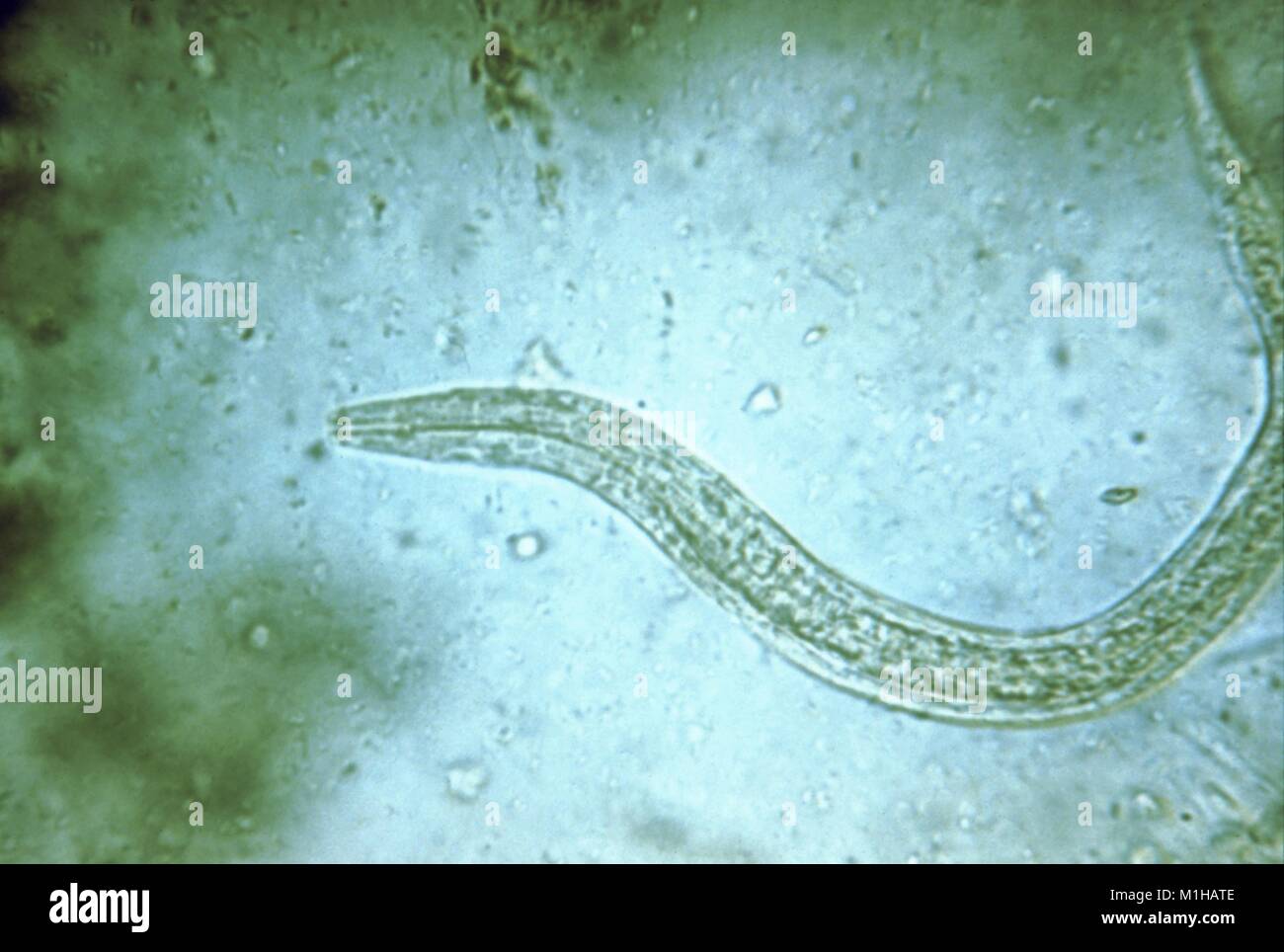
Human Hookworm

Necator americanus
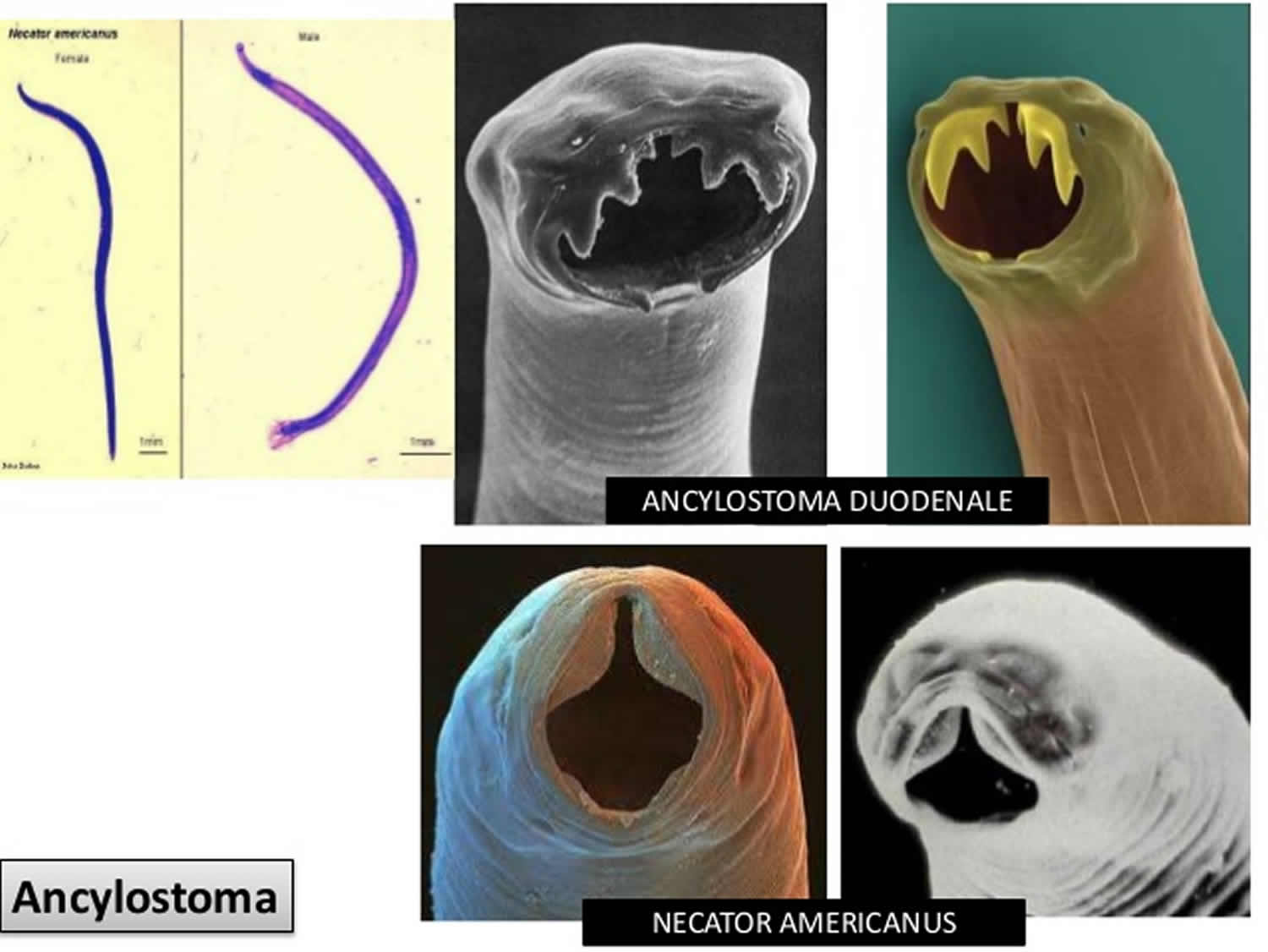
Hookworm infection, symptoms, diagnosis & hookworm treatment in humans
Hookworms
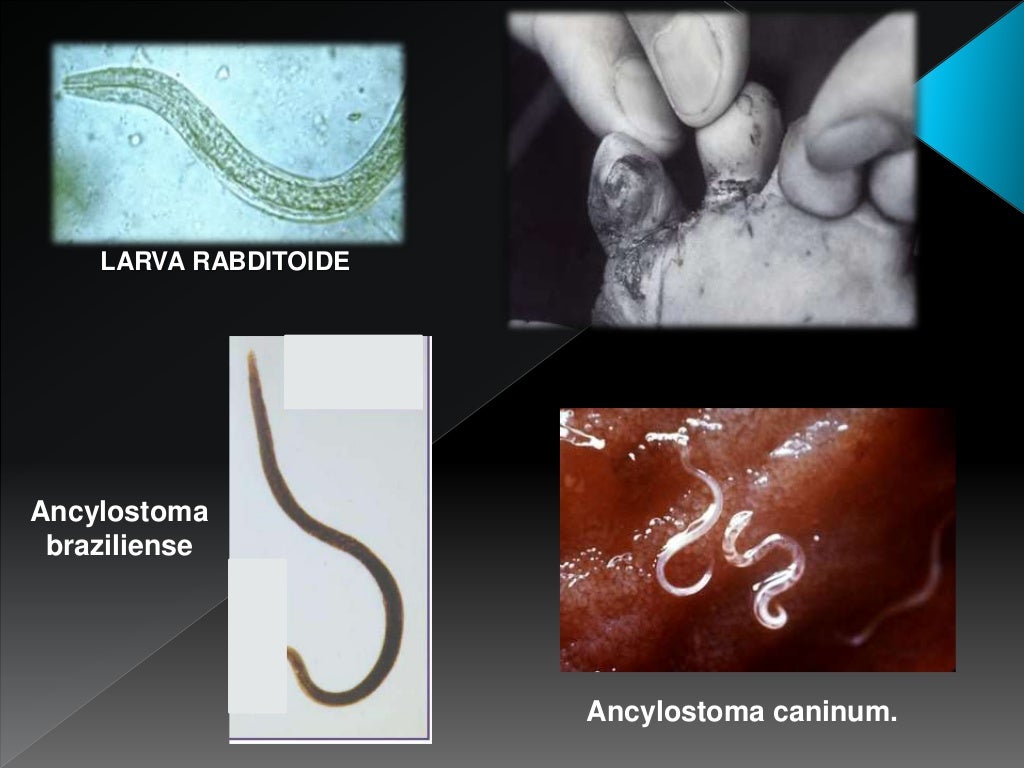
Uncinariasis Necator americanus y Ancylostoma duodenale
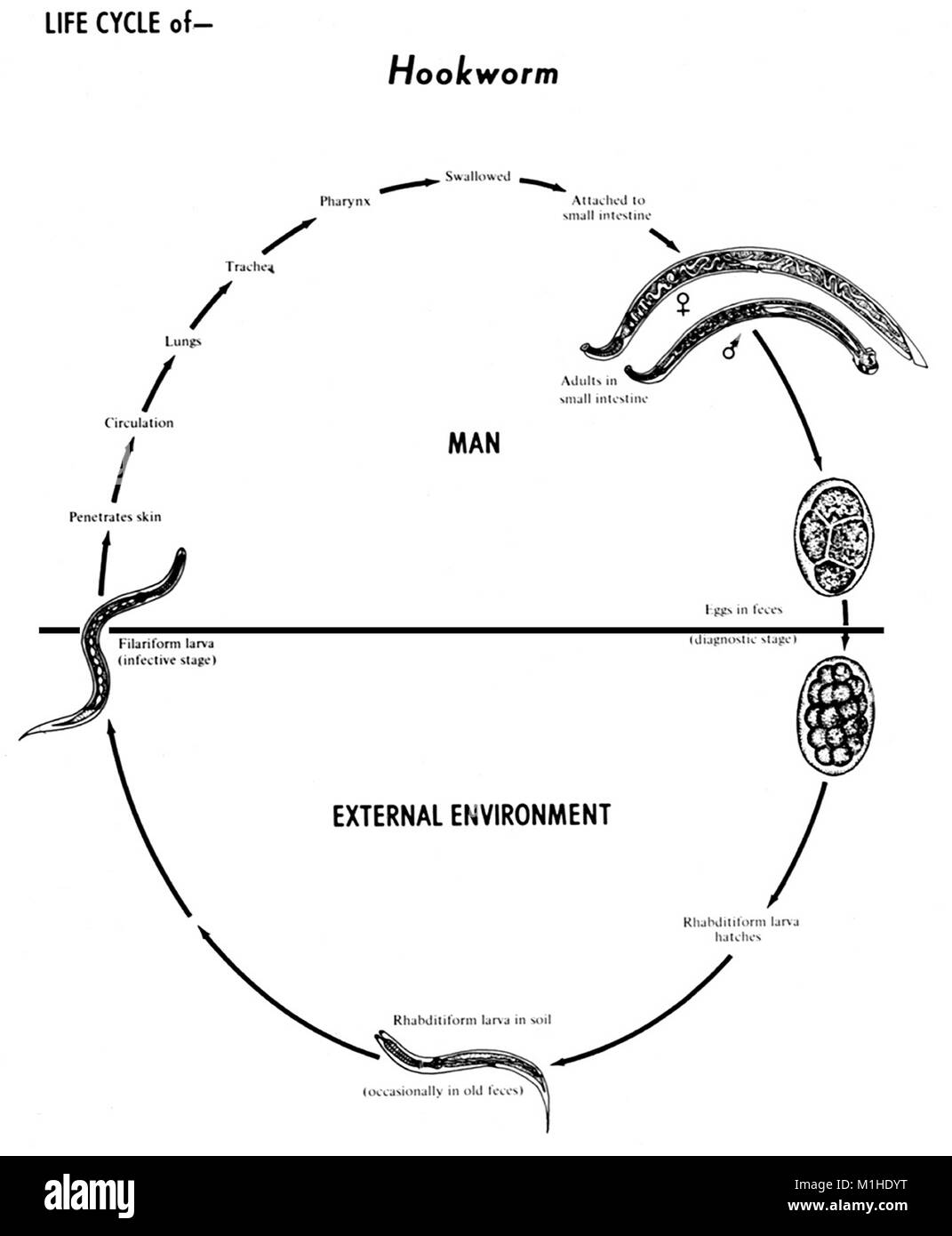
Human hookworms, Ancylostoma duodenale and Necator americanus, various stages in the life cycle

Lecture Notes in Medical Technology Lecture 4 THE HOOKWORMS

PARASITOLOGIA ANCYLOSTOMA DUODENALE Y NECATOR AMERICANUS
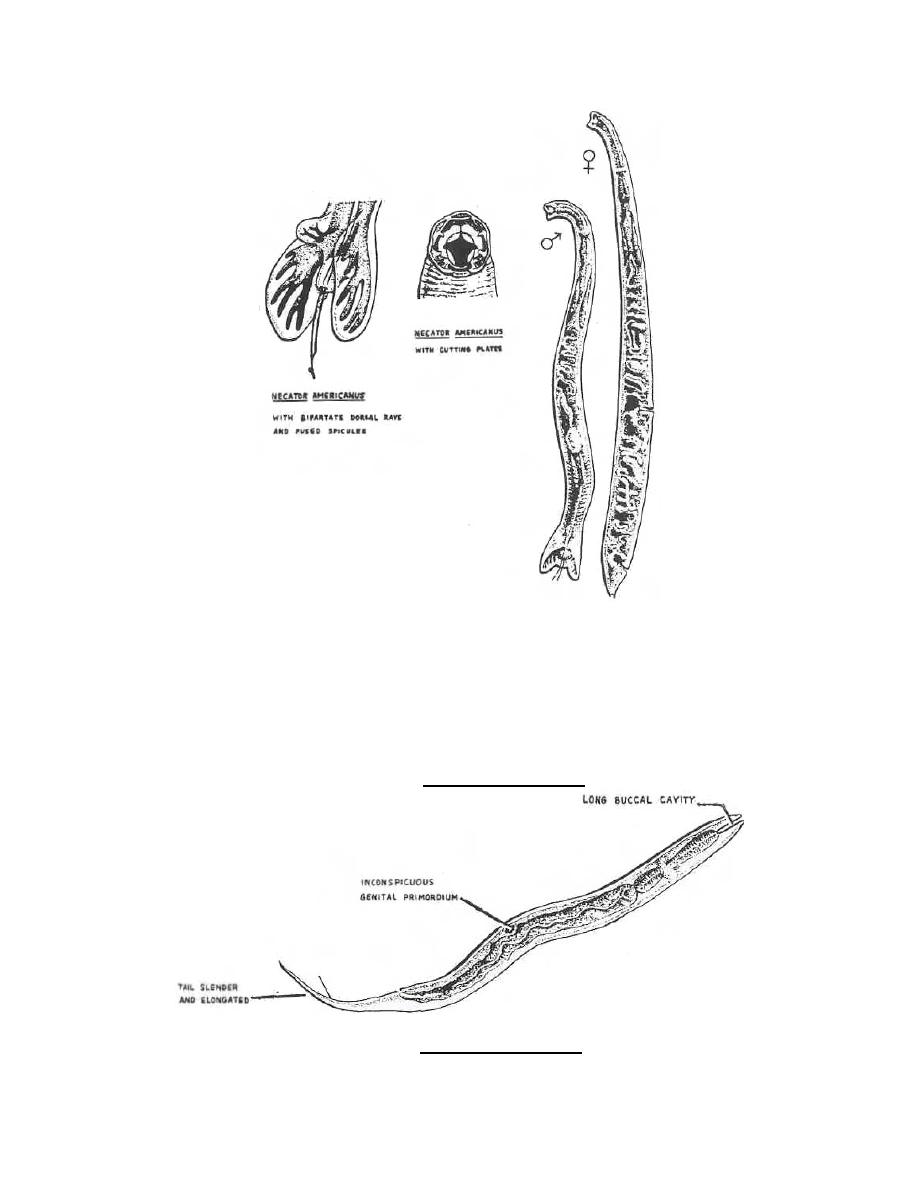
Figure 416. Stages of Necator americanus. (concluded) Parasitology II
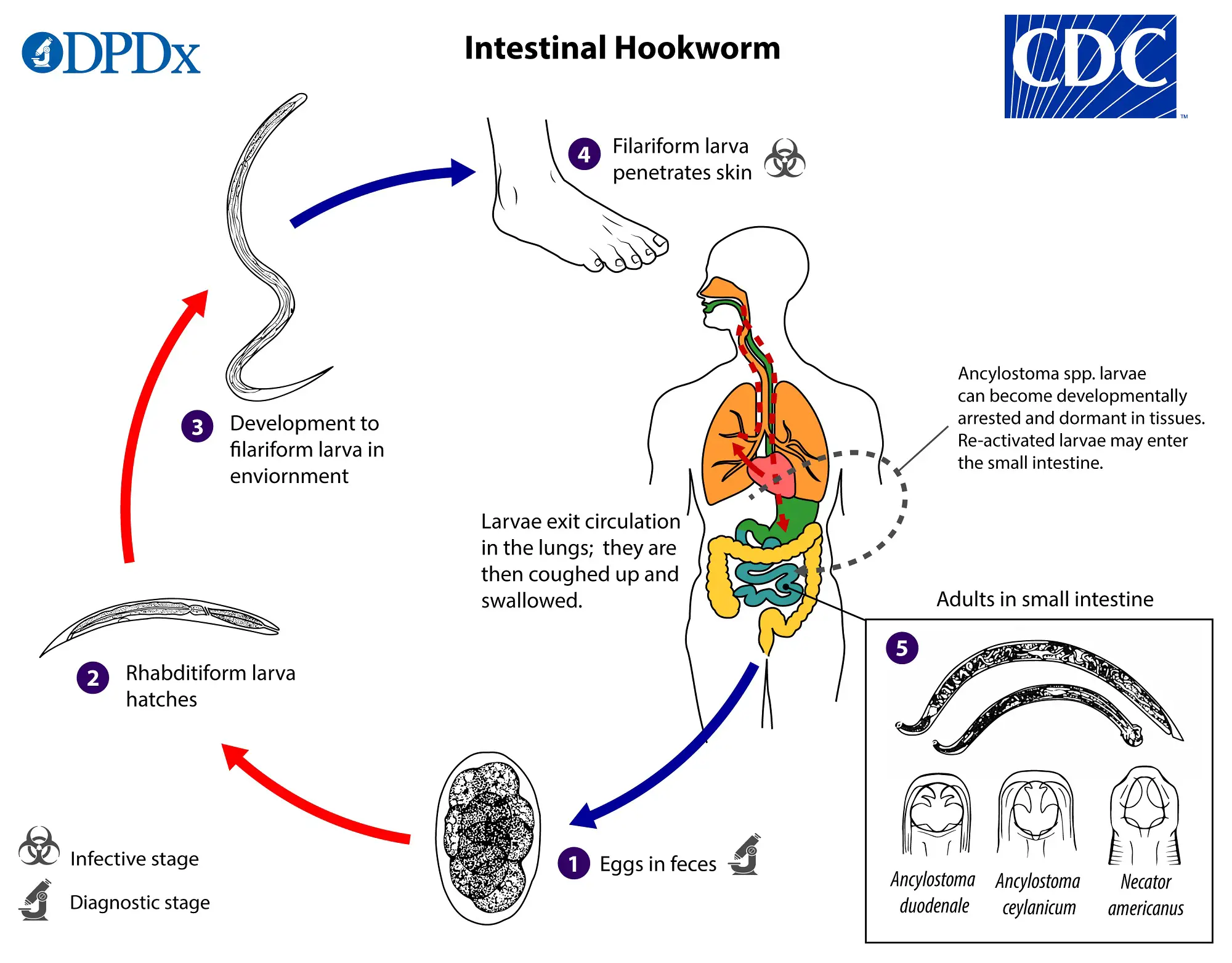
Hookworm Characteristics, Life Cycle, Pathogenesis and Diagnosis • Microbe Online
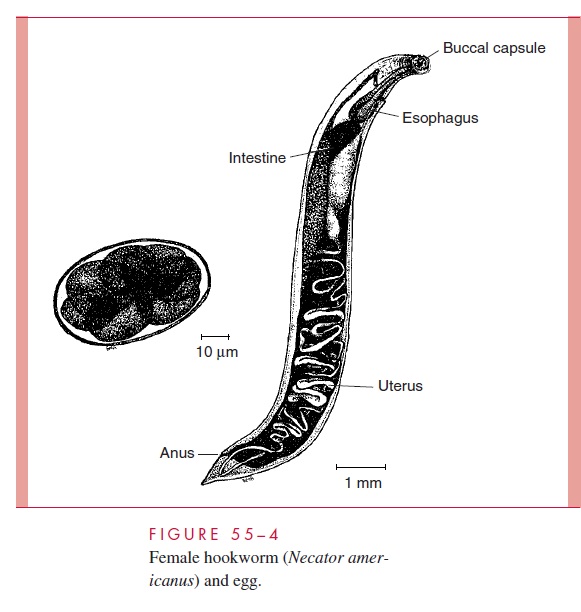
Ancylostoma and Necator Parasitology Hookworms
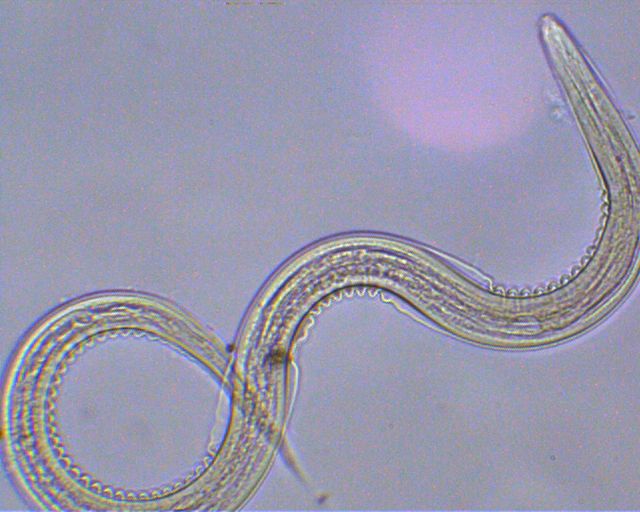
Necator americanus Microbiology Lab Notes
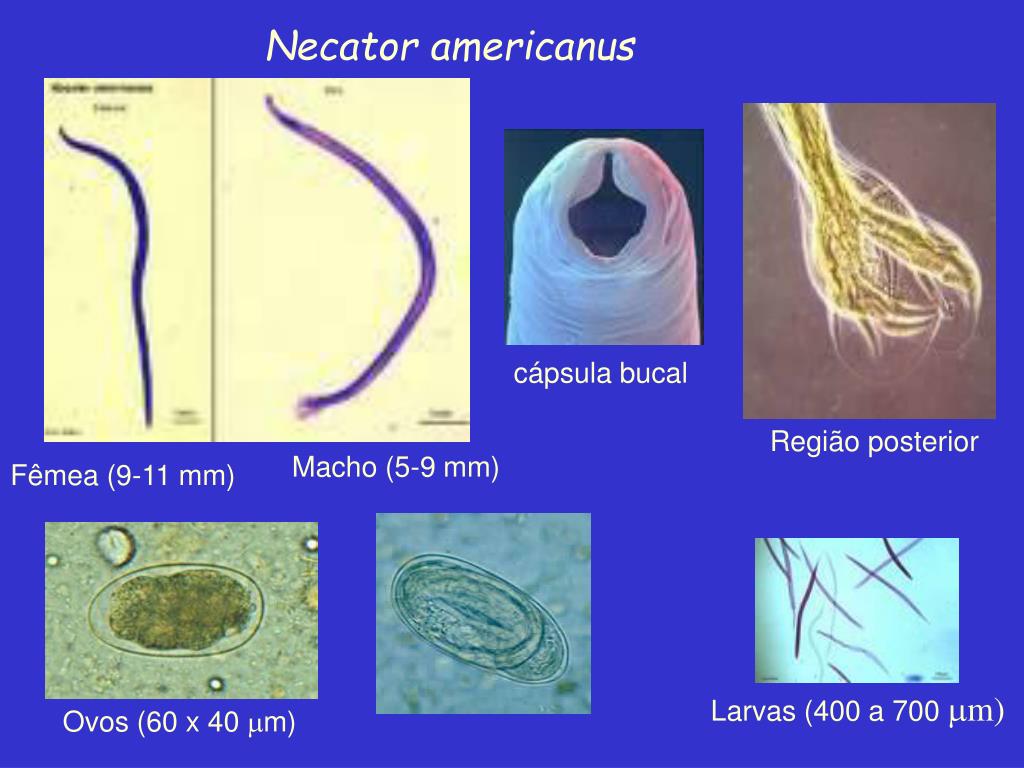
PPT Ancilostomose Ancylostoma duodenale Necator americanus PowerPoint Presentation ID5745328
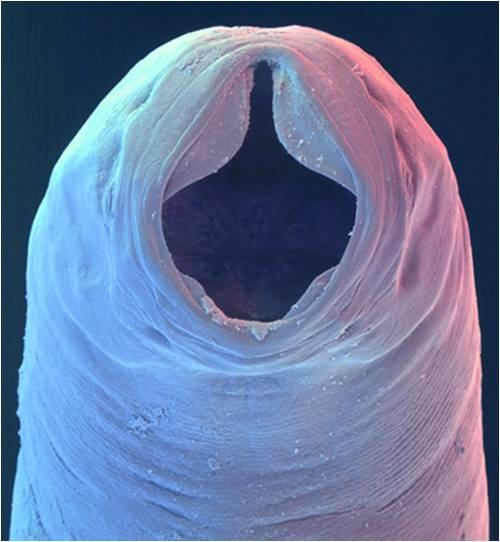
Necator americanus

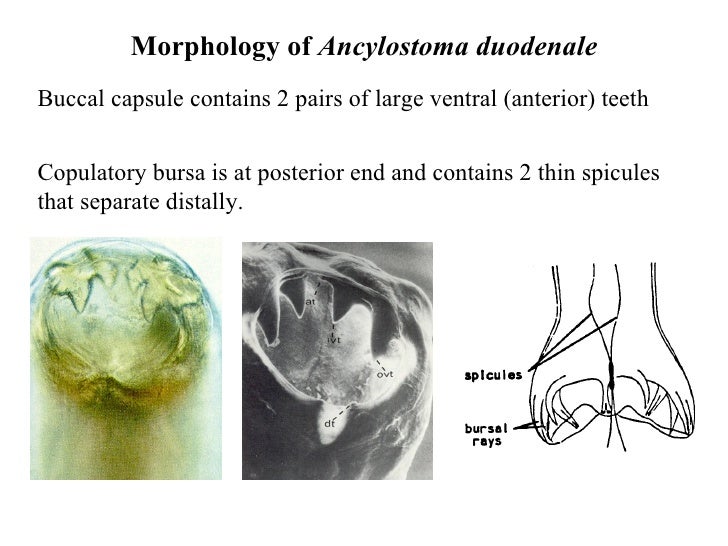
anterior end of Ancylostoma duodenale showing the

Hookworm Eggs Ancylostoma Duodenale Necator Americanus Stock Photo 2264159523 Shutterstock

Figure 414. Stages of Ancylostoma duodenale. Parasitology II

Hookworm Characteristics, Life Cycle, Pathogenesis and Diagnosis • Microbe Online
Human hookworm disease is a common helminth infection that is predominantly caused by the nematode parasites Necator americanus and Ancylostoma duodenale; organisms that play a lesser role include Ancylostoma ceylonicum,Ancylostoma braziliense, and Ancylostoma caninum. Hookworm infection is acquired through skin exposure to larvae in soil con.. Ancylostoma duodenale: Necator americanus: Size: Longer: Shorter: Blood loss: 10.20 mL/day 0.03 mL/day: Life Span: 1-2 years: 3-5 years or more: Egg production: 10,000 to 25000 /day 5000 to 10,000/day Mode of Transmission: Skin penetration and ingestion: Skin penetration only : Buccal capsule: Ancylostoma contains sharp teeth. Necator contains.


